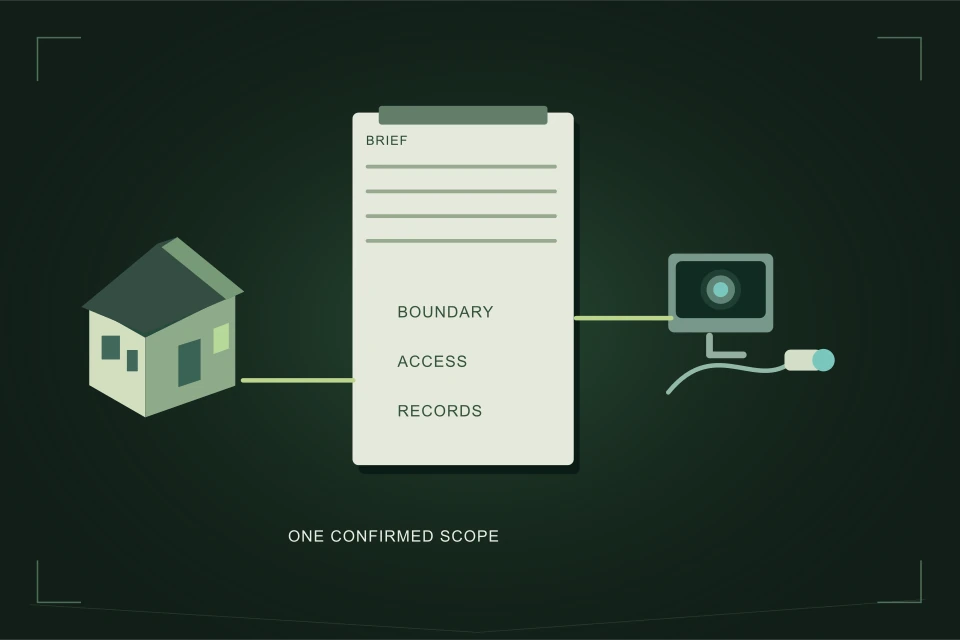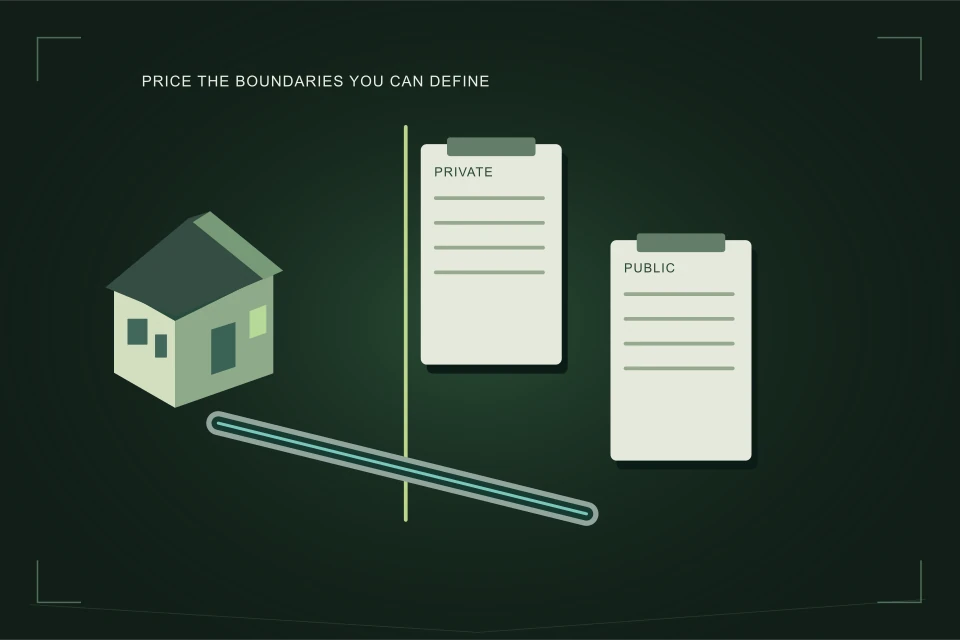
A Calgary connection budget needs a defined project and measured scope before a useful price comparison. Ask bidders to separate investigation, approval coordination, installation, public-interface work, restoration and closeout records. This page supplies a comparison method rather than an unsupported price average or a model that treats missing site information as a measured quantity.
- Similar totals can cover different work.
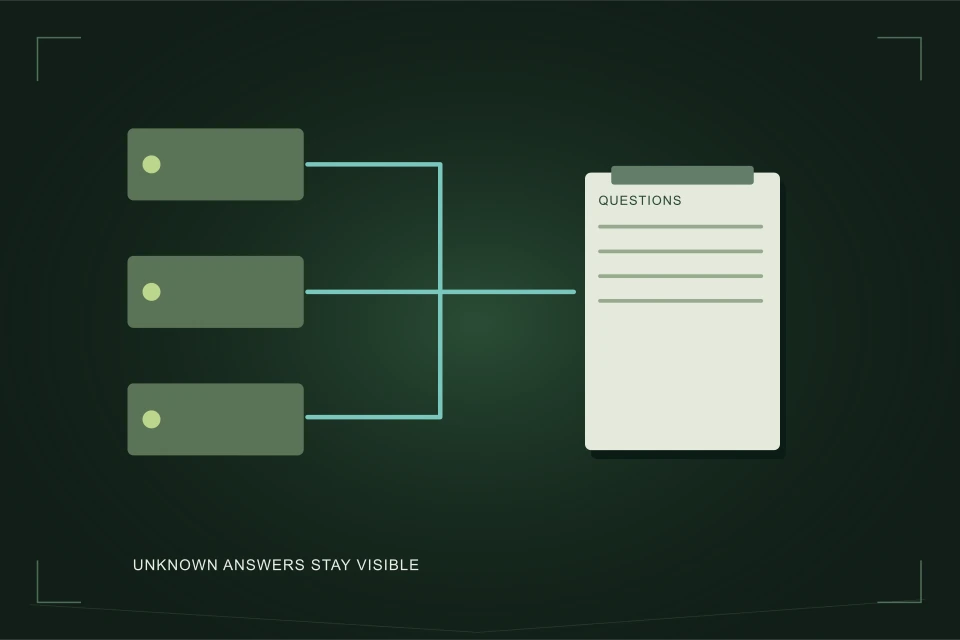
- Unknown conditions need named assumptions or an investigation stage.
- City fees and appointments should be checked through current official sources.
- An allowance is not proof that all possible work is included.
01 /Why is there no instant connection price on this page?
Because the proposed property change and connection scope matter more than the domain name or a generic length. A retained-building renovation, new infill connection and subdivided-lot project can involve different investigations and handoffs. Assigning a price to an unknown depth, route or public interface produces a plausible number without establishing what the owner would actually buy.
This page does not publish a verified Calgary market average. Instead it helps you collect comparable written scopes and identify uncertainty. A contractor can offer preliminary discussion, an investigation price or a construction quote depending on the evidence available. Make the stage explicit. A preliminary allowance should not be represented in the property file as a binding installation quote.
If you already have a quote for a damaged private lateral, the replacement specialists provide a separate method discussion. The purpose here is connection planning for the building project, including interfaces that a repair-only quote may omit. Keep that purpose in the request so a bidder knows whether they are assessing retained services, pricing new work or both.
02 /Which cost packages belong in the comparison?
| Package | Bidder A | Bidder B |
|---|---|---|
| Investigation and measured evidence | Included / excluded / unresolved | Included / excluded / unresolved |
| Applications and approval coordination | Named scope and applicant | Named scope and applicant |
| Private installation limits | New, retained and altered sections | New, retained and altered sections |
| Public-infrastructure interface | Included work and responsible party | Included work and responsible party |
| Restoration | Temporary and final surfaces | Temporary and final surfaces |
| Closeout documents and footage | Specified files and review records | Specified files and review records |
Use the same current plan and evidence file for each request. If one proposal assumes reuse of an existing lateral and another assumes a new one, the totals are not a like-for-like comparison. Ask why the assumption differs and what evidence would settle it. A revised scope may be more useful than trying to negotiate the lower total before understanding the gap.
Identify which components are fixed and which are allowances. An allowance should describe the assumed condition and what triggers a change. Ask who authorizes additional work and how its price is established. Leaving that discussion until the trench is open can make an avoidable documentation problem look like an unavoidable surprise.
03 /How should fees and third-party charges be handled?
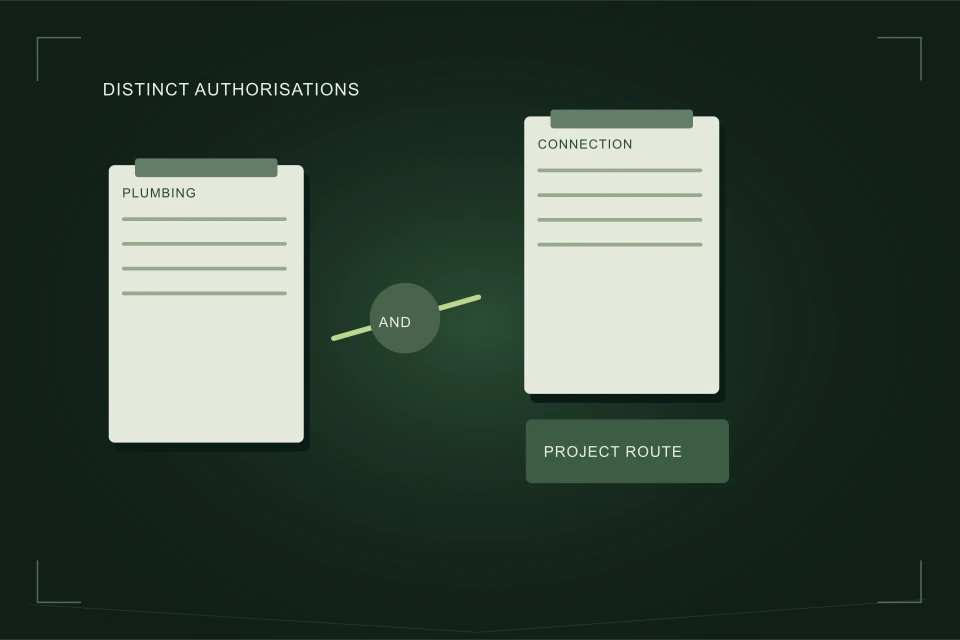
Ask which fees the contractor has included and which the owner or builder pays directly. Calgary’s current permit and water-service pages contain fee or estimate routes for the relevant services. Verify the actual application or appointment type rather than copying a homeowner fee into a commercial or contractor budget. The same address can require more than one distinct service or application.
Keep administrative charges separate from physical work. A valve appointment is not a sewer installation, and a permit application does not describe the cost of excavation or restoration. A proposal that groups them under “City costs” should explain the included items, assumptions and any excluded public-interface work.
If a price includes tax, state that consistently when comparing. Use the written proposal’s terms and obtain clarification where its total is ambiguous. This guide does not calculate taxes, payment terms or financing arrangements. Its worksheet approach is to compare the scope and supplied figures rather than inventing a total from incomplete project details.
04 /Which exclusions commonly deserve a follow-up question?
Follow up on anything that affects the transition between trades: private locating, connection investigation, permit coordination, inspection access, temporary service arrangements, final surface restoration and documentary closeout. These are not claims that every contractor excludes those items. They are a useful list of interfaces to check because a broad installation description may not spell them out.
For restoration, identify what surface is present and what final finish is requested. A temporary backfill or safe working surface may be appropriate between construction stages, but it should not be mistaken for completed landscaping or paving. Ask who completes later work and what condition the first contractor hands over.
For retained services, identify the assessment included and the limits of any recommendation. A proposal may include a camera review but exclude further locating or level investigation. If that leaves a design question unresolved, assign the next step. Do not convert an exclusion into an assumption that the missing work is unnecessary.
05 /How do you decide what further information is worth buying?
Ask which decision the investigation will change. If the uncertainty is whether the retained private line conflicts with the new foundation, a targeted route investigation may be the relevant first scope. If the uncertainty concerns an unviewed section, further camera or access work may be proposed. The qualified project team should specify the appropriate method, while the owner asks for the deliverable and limitation.
A staged approach can avoid treating every uncertainty as a full installation commitment. Request a written investigation scope, the records it produces and how the resulting construction proposal will be prepared. It should also identify what the investigation cannot establish so the owner is not paying for one test under the belief that it settles every connection question.
Finish the comparison by recording the selected scope, remaining exclusions and responsible contacts. Keep it with the original requests and later changes. Use the contractor brief and planning tool to prepare the enquiry. Neither accepts a price or sends consent on your behalf.
FAQQuestions people ask
Is there a verified average connection price here?
No. This page compares actual project scope and written proposal information. It does not present unsupported Calgary market averages.
Why can two connection quotes differ?
They may cover different work, evidence, assumed conditions or exclusions. Reconcile those items before deciding that the difference is simply price.
Is an allowance a fixed total?
Check the proposal. An allowance typically relies on an assumption or later confirmation; ask what changes it and who authorizes the change.
Where should I check current City fees?
Use the official page for the actual permit, application or appointment. Do not assume one homeowner fee covers every contractor or building-type project.
NETWORKGo deeper across the HAUSE Sewer network
How to compare sewer quotes line by line
How to compare sewer quotes: a line-by-line worksheet to normalise scope, spot missing items, convert to per-metre cost and choose between three contractor quotes.
SewerInspector.caCCTV sewer inspection: crawlers, lateral launch cameras and coded surveys
What CCTV sewer inspection is: crawler cameras, lateral launch and zoom cameras, PACP-coded municipal surveys, and what city camera work means for your lateral.
SewerCleaners.caHow to hire a sewer cleaner: the checklist, the questions and the paperwork
How to hire a sewer cleaner in Canada: questions to ask, insurance and WCB coverage in Alberta, a written scope template, red flags, and how to compare quotes.