Most connection questions begin with the proposed property change and available evidence. Keep public records, private inspection, locate information and approvals distinct. These answers help prepare a contractor or City enquiry; they do not establish capacity, design compliance, reuse eligibility, excavation clearance or an actual booking from a few selected answers.
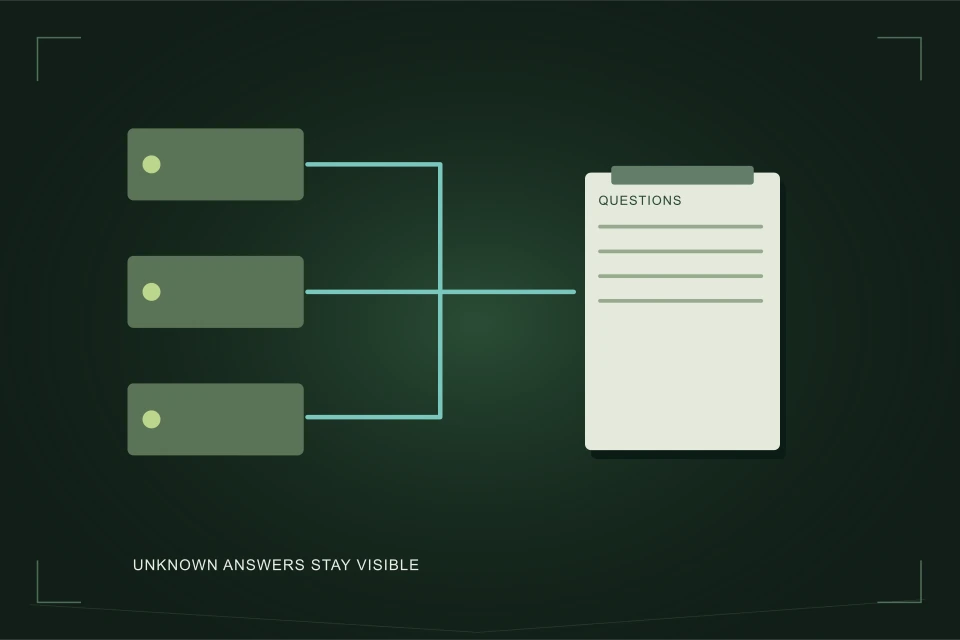
- Unknown is a useful starting point for investigation.
- A retained pipe needs evidence relevant to the proposed project.
- The right application and inspection arrangement follows the actual scope.
- A planning result and a sent request are separate actions.
01 /How should these answers be used?
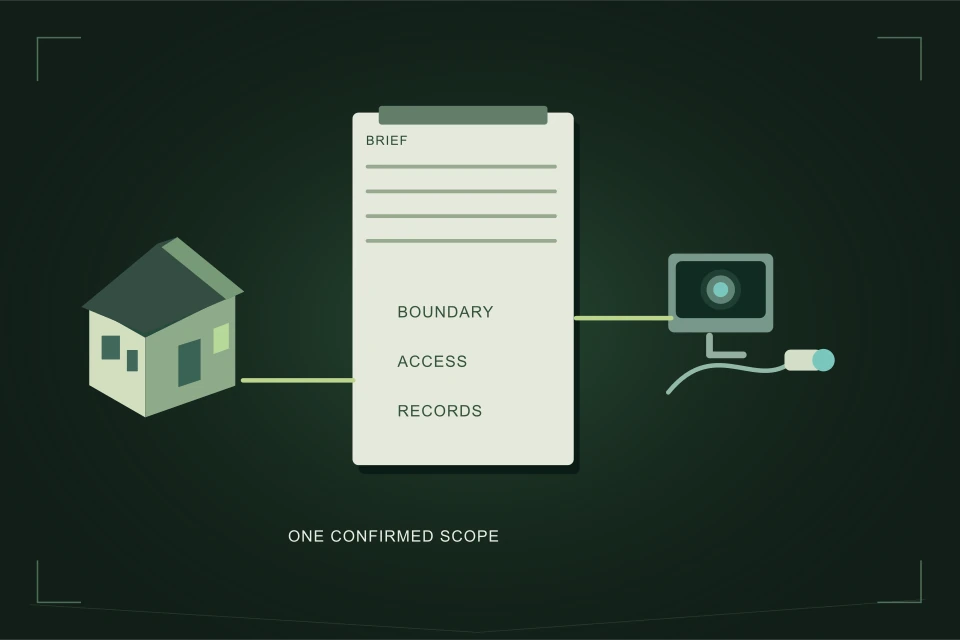
Use them to identify the next document or question, not to replace an assessment. A project enquiry should name the current building, proposed use, plan version and work boundaries. The qualified project team can then explain which evidence and approvals are needed. If a question depends on pipe condition, route or levels, collect the relevant property-specific information rather than selecting a favourable answer based on age or an adjacent address.
A current backup is an incident, while infill or renovation planning is a future-project task. Calgary’s backup guidance directs residents to protect themselves from exposure, call 311 and contact their insurer. Keep any resulting findings with the project file, but do not let a cleared blockage become an unsupported conclusion that the line is suitable for the proposed building.
This independent site explains evidence and handoffs. It does not install plumbing, issue permits, coordinate City appointments or authorize work on another property. The linked guides provide more detail about the records behind each answer, and the planning tool produces a text brief that remains editable before you choose to send an enquiry.
02 /What should remain unresolved?
When an answer depends on a document you do not have, record the gap and the person expected to resolve it. Ask for the actual record rather than a general assurance. Date the response and identify which plan or work section it concerns so a later project change does not silently inherit the old conclusion.
FAQAll questions
What is the first question before planning a connection?
Describe what is changing about the property: infill, renovation, a suite, subdivision or demolition. Then identify the building, private-lot and public-interface work. That prevents a generic replacement quote from standing in for the actual connection project.
Does an old house always need a new lateral for infill?
Age alone does not decide. Gather condition, route and connection evidence, then have the qualified team assess it against the proposed project and applicable approvals. The site does not approve reuse or prescribe replacement from a house-era label.
Does a clean camera run settle reuse?
It provides evidence about visible internal condition in the reached section. It does not establish external support, unviewed branches, property arrangements or adequacy for a new design. Keep reach, visibility and the proposed project information with the report.
Can the City record identify my private material?
Calgary’s dataset describes the public main-to-property-line segment. Its metadata says the private segment may have a different material and installation date. Use the public record alongside private evidence rather than substituting it for an inspection.
What if the public lookup returns no result?
Save the actual query and response. Address changes, redevelopment or dataset scope can matter; large commercial and multi-family service lines are excluded. An absent record does not prove the building has no sewer. Ask the City about a relevant discrepancy.
Will a USP locate ticket mark my private sewer?
USP says privately owned facilities require separate locating arrangements. A ticket requests participating utility-owner information. Keep the responses, private investigation and on-site documentation distinct before the contractor considers excavation readiness.
Are submitted locates a confirmed construction date?
No. Actual work depends on complete applicable responses, private facilities, validity conditions, permits, site conditions and contractor scheduling. Minimum notice guidance is not a booking or a promise that the contractor can start immediately afterward.
Does sewer replacement require a Calgary plumbing permit?
The City’s trade-permit guidance includes replacement of water and sewer lines within work requiring a plumbing permit. Clearing a blockage is listed separately as an exception. Confirm the route for the actual building and scope.
Can I pull a homeowner permit for a contractor?
Calgary says a homeowner cannot apply on behalf of the individual or company doing the work. The contractor needs the applicable permit. Homeowner eligibility also depends on ownership, residence and doing the work personally.
Is Quick Trench available for every project?
No. Calgary identifies qualifying new single and semi-detached residential homes with a qualified contractor. Other building types need their applicable permit or site-servicing questions and required inspections. Confirm the actual project arrangement with the team and City.
What changes when an inner-city lot is subdivided?
The City’s infill page says each lot requires separate services as indicated by its grade slip. Keep the current lot plan, servicing information and investigated existing route together so each parcel’s arrangement is explicit before construction is priced.
Does water shutoff record sanitary disconnection?
No. Water and sewer are different systems. Calgary’s current water-disconnection instructions should not be copied onto the sanitary scope. Ask for a separate project-specific sewer handoff identifying what is retained, disconnected or proposed next.
Does adding a secondary suite automatically require outside replacement?
The site cannot determine that from the suite label. Calgary requires the relevant permit for new, extended or altered suite plumbing. Have the qualified team assess proposed fixtures, retained drainage and available connection evidence.
Does final footage replace inspection closeout?
No. A video records the reached internal view, while the applicable permit or review evidence has its own purpose. It cannot show buried bedding or resolve work outside its coverage. Retain both where they form part of the project scope.
Why do two contractor totals differ?
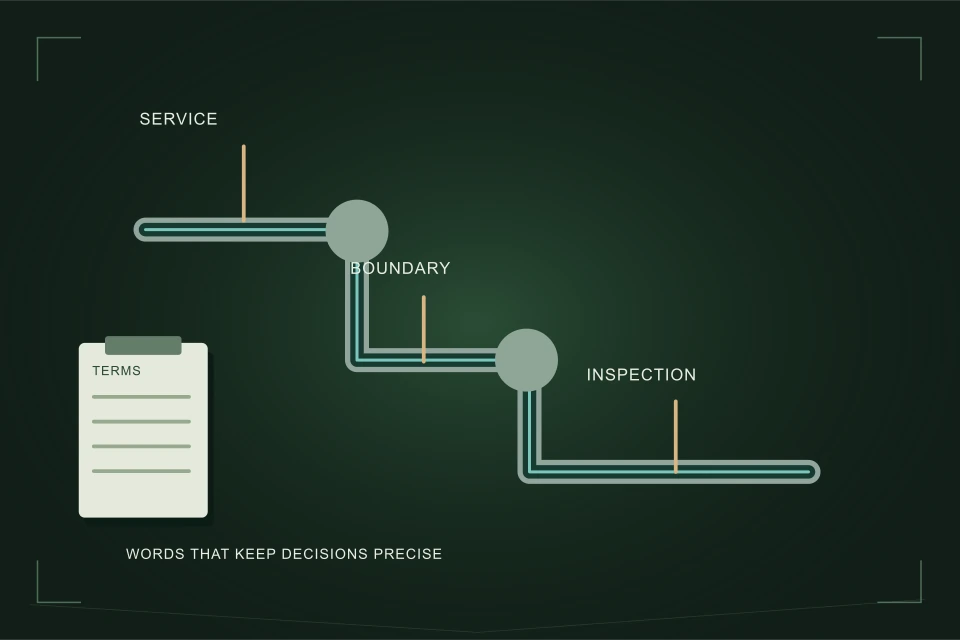
They may include different investigation, work boundaries, assumptions, public interfaces, restoration or records. Compare the actual written scopes before assuming the lower total buys the same work. Ask for clarification of exclusions and conditional allowances.
Does the tool send a request or select a provider?
No. It organizes supplied choices into questions and text. Its request link only pre-fills a form. Contact details, consent and submission are separate decisions; sending an enquiry is also different from a confirmed work booking.