Treat reuse as a project-specific question supported by records, inspection and the proposed design. Gather the private camera run, its coverage limits, located route, previous repairs and available City service information. Keep pipe condition, route, levels and suitability for the new use as separate questions; a clear camera image does not answer them all.
- A video shows the section reached under the conditions recorded.
- The public City record cannot establish the private pipe’s material or age.
- Successful drainage in the old building is not an assessment of a new design.
- Preserve the original footage alongside the written findings and unanswered questions.
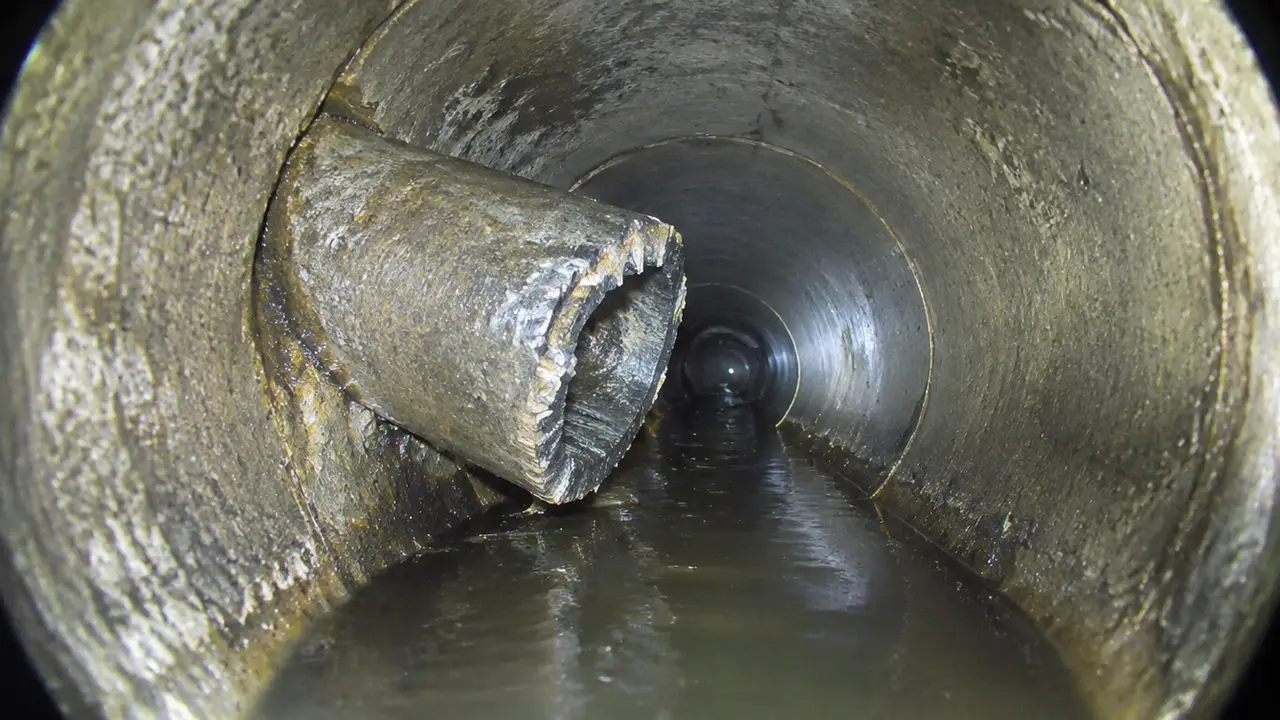
01 /What does “existing sewer available” actually establish?
It may establish only that a pipe is present. A sales listing, an old survey notation or a conversation with the previous owner can point you toward useful records, but none describes the full present condition of the connection. Before an infill or renovation project assumes reuse, ask what the statement is based on. Was the line inspected? Which part was reached? Does the evidence relate to the private segment, the City segment or merely the indoor drain?
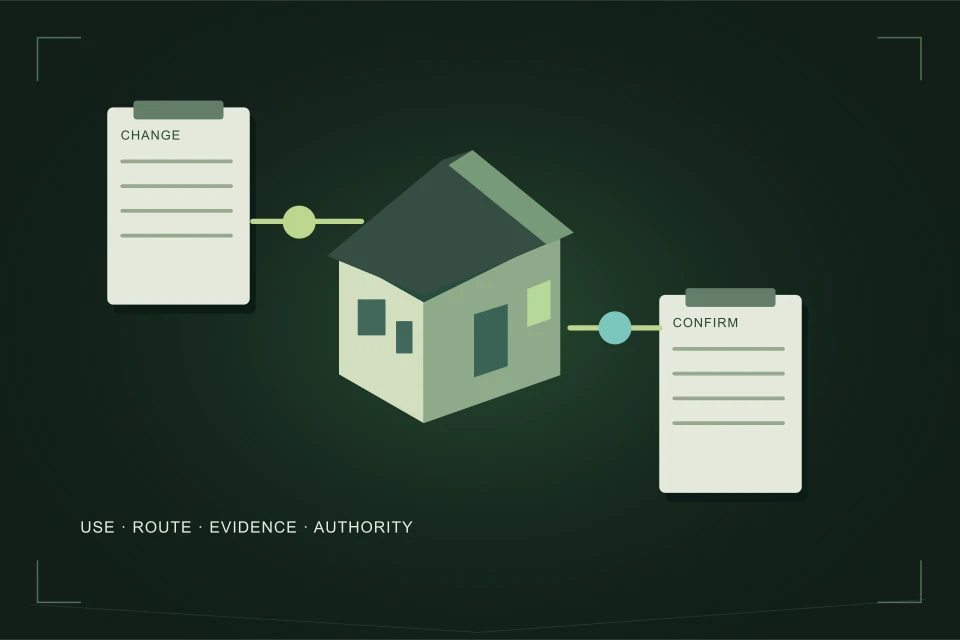
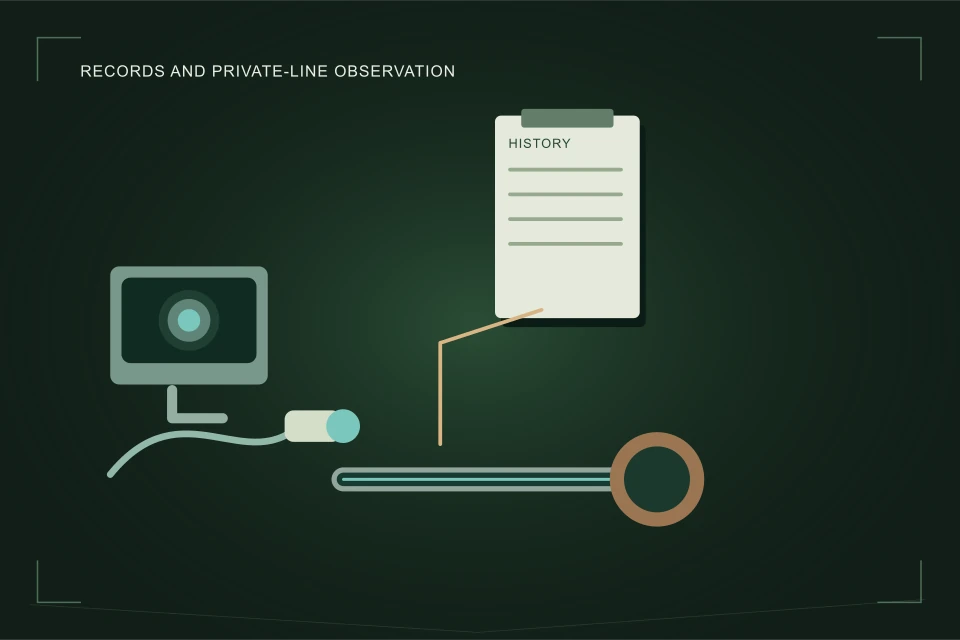
Keep four questions separate: what the pipe is, where it runs, what condition it is in, and whether the proposed project may use it. They can require different evidence and different decision makers. A camera can record visible internal condition. A sonde locate can help relate that footage to the yard. Project levels and design information address another part of the picture. The applicable approvals still need to be confirmed for the building change.
This separation protects a useful existing pipe from being dismissed just because paperwork is incomplete, and it protects a project from retaining a pipe on the strength of one attractive image. The goal is an evidence-backed decision, not automatically choosing reuse or replacement. Record the question, the evidence obtained and the person responsible for the conclusion.
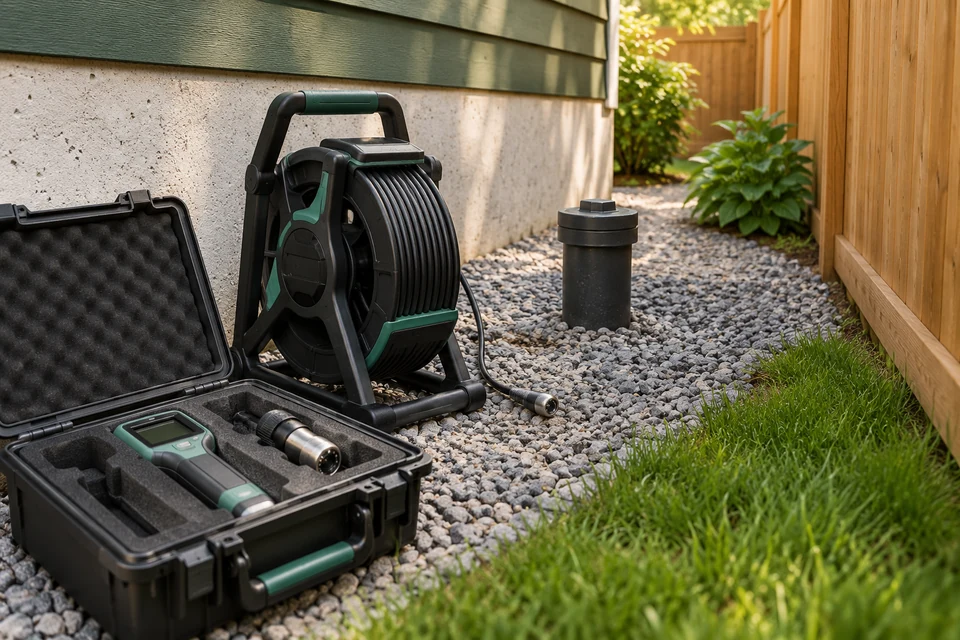
02 /What should the camera report identify?
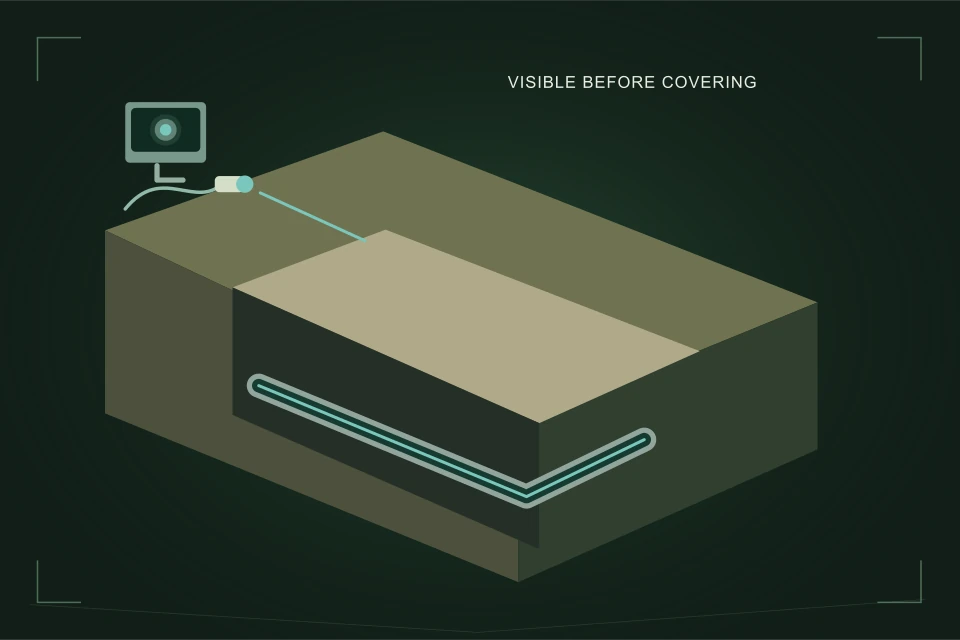
Ask for the access point, date, direction of travel, distance reached and reason the inspection ended. Keep the full recording with the written report. A selection of screenshots can illustrate findings but cannot show whether the operator inspected the whole intended reach, encountered an obstruction or turned into a different branch. The report should make it possible to relate a finding to a section of the connection rather than merely stating “roots” or “old pipe”.
If the line was cleaned first, retain that fact and any earlier footage. A post-cleaning inspection can provide a clearer view of the wall while the pre-cleaning record helps explain the original complaint. Conversely, standing water or remaining debris can limit visibility. Ask the inspector to state those limits explicitly. Do not treat an obscured section as clear, or an inspection that stopped early as a complete house-to-main assessment.
A useful handoff can say: “The private section from this access point to this recorded endpoint was inspected; the following length was not reached; surface locating was performed at these marked positions.” That wording gives the next contractor something to work with. It also makes follow-up investigation easier to scope without repeating work that was already adequately recorded.
03 /How do City records fit beside private inspection?
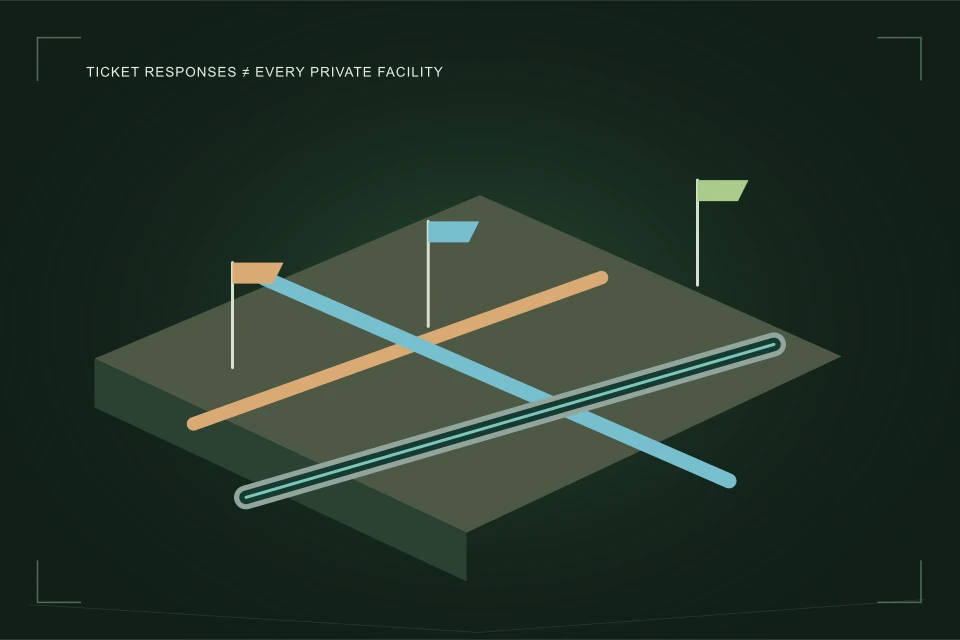
Calgary’s Public Sanitary Service Lines dataset covers the public segment from the sanitary main to the property line. Its description specifically says the private segment can be made of a different material and installed at a different time. Use the public record to inform connection questions, not to fill missing private findings. A public CIPP record, for example, does not establish that a retained private lateral was also lined.
Save the address queried, the retrieval date and the relevant record fields. If a record appears absent or contradictory, keep that result rather than substituting a nearby address. The City invites questions about errors and omissions through 311. Older lots, redevelopment and changed address arrangements can make a record harder to interpret. A no-result lookup is a documentation gap, not proof that the building lacks a sanitary connection.
| Evidence | Useful for | Does not settle |
|---|---|---|
| City service record | Public segment information | Private material or condition |
| Camera video and report | Visible internal findings and reached section | External support or proposed-design adequacy |
| Private locate notes | Investigated route and marked positions | Approved property boundary |
| Past repair invoice | Reported work and stated limits | Condition of unrecorded sections |
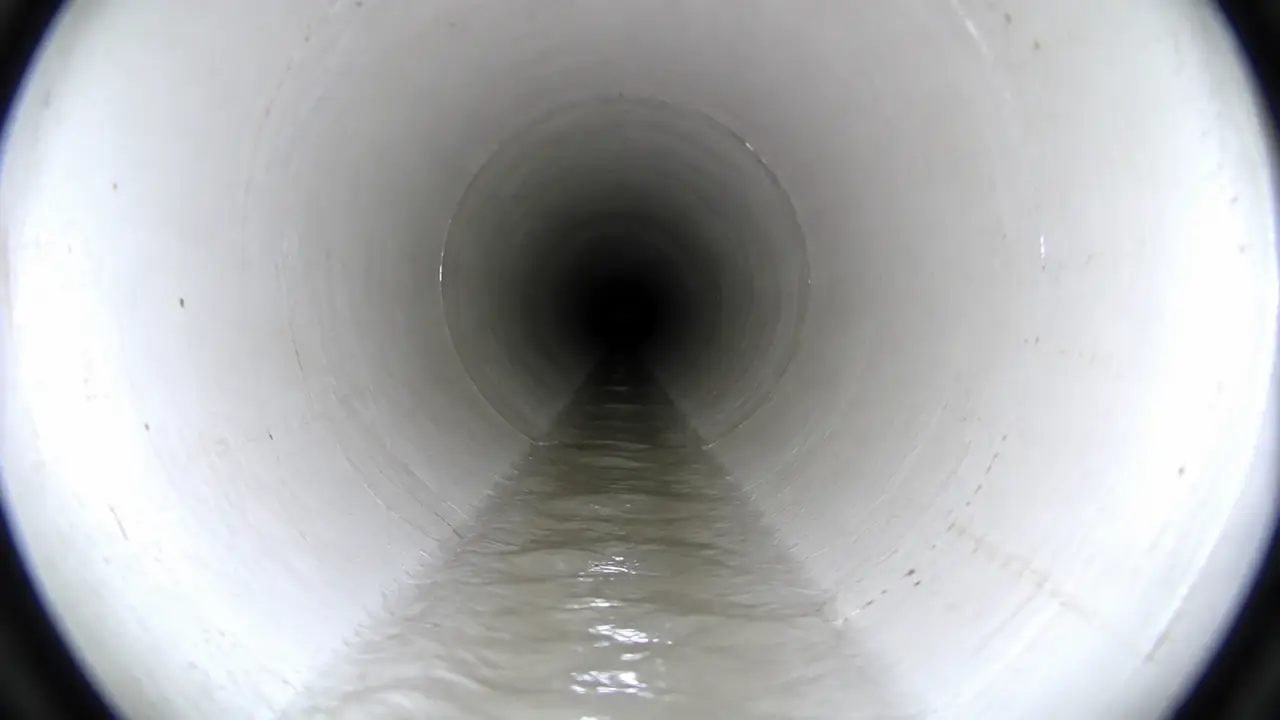
04 /Why are route and level questions separate from condition?
A retained pipe can appear serviceable internally and still present a planning issue because a new foundation, footing, driveway or building drain arrangement conflicts with its route. Mark where the proposed building changes cross or approach the investigated service. Keep the proposed plan version with the inspection file so the contractor is evaluating the same layout as the designer. A route reviewed against an abandoned concept should not silently become the route assumption for the final plan.
Depth and level information also need an identified method. A receiver estimate from a sonde, a level recorded at an exposed connection and an elevation on a design drawing are different forms of evidence. Do not give them identical status in the brief. Ask the professional evaluating the connection what level information is needed and whether the available measurements are adequate for that decision.
The appropriate next step might be targeted investigation rather than opening the entire yard. Describe the specific unresolved question: connection location, route conflict, unviewed pipe or missing level. That lets a contractor price the information-gathering task and explain access and limitations. The scope should include a record of what was established, not merely a general allowance labelled “investigate”.
05 /What makes a defensible retained-service handoff?
Make a short index of the original evidence and the conclusions drawn from it. Include footage filenames, report dates, locate photographs, known repairs, City correspondence and the current proposed plan. Identify the section each item covers. If someone recommends retention, ask what conditions and limits accompany that recommendation. If someone recommends replacement, ask which observed findings or project requirements support it. A recommendation should not erase the underlying evidence.
Useful questions include whether any branch connection will change, whether the private and public interfaces are confirmed, how the retained line will be protected during construction, and whether further assessment is needed after work that could disturb it. These are scope questions for the project team. This guide does not set a universal inspection interval or require a particular method for every lot.
When construction is complete, retain the records of the work actually performed and any final inspection or condition evidence supplied. If a portion was retained, record its assessed limits so a later owner does not mistake the new-building date for the installation date of the entire sewer. Continue with pre-backfill evidence and include unanswered items in the Connection Planning Brief.
06 /How should conflicting records be resolved?
Consider an illustrative file containing an invoice labelled sewer replacement and a later camera report identifying retained pipe. First ask what length and location the invoice covered. It may describe one section rather than the complete connection. Next relate the report to its access point and reach. A disagreement between broad labels may disappear once the work limits are identified; if it does not, the relevant project professional needs the underlying evidence rather than an owner choosing the more reassuring version.
Record the unresolved conflict in the enquiry, with both dates and authors. Ask whether a targeted follow-up can establish the missing information before a reuse decision. Do not change the invoice description, crop the footage or rewrite the report to create a falsely consistent file. If the project proceeds with a retained section despite an evidence limitation, have the responsible team explain the basis and conditions of that choice. The final property record should preserve the limitation and the actual decision, not imply that every old document was verified as complete.
FAQQuestions people ask
Does a clear scope mean the pipe can be reused for infill?
It contributes condition evidence for the reached section. Suitability for the proposed project also depends on route, design, connection information and applicable approvals.
Can a City PVC record describe my private line?
It describes the public segment. The City expressly states that the private segment can have a different material and installation date.
Should I keep the full video or just the report?
Keep both. The report summarizes observations; the full recording preserves reach, visibility, sequence and context for later review.
What if an old invoice says the sewer was replaced?
Check the limits, date and description of that work. A partial replacement, indoor repair or public-side renewal may not cover the whole private connection.
NETWORKGo deeper across the HAUSE Sewer network
What happens during a professional sewer cleaning visit
A step-by-step look at a professional sewer cleaning visit: arrival, questions, access, cleaning, flow testing, camera verification and the paperwork you keep.
SewerInspector.caShould you scope the sewer before buying a house?
When a sewer scope before buying a house is worth it, which homes need one most, how to fit it inside a condition period, and what to do with the result.
SewerRoots.caWhose tree, whose pipe: who pays when roots block a sewer line
Who is responsible when a city or neighbour's tree sends roots into your sewer line: the general Canadian pattern, the evidence, and how to raise it.